Exploring the Art of Curatorial Practices: Designing Engaging Museum Experiences
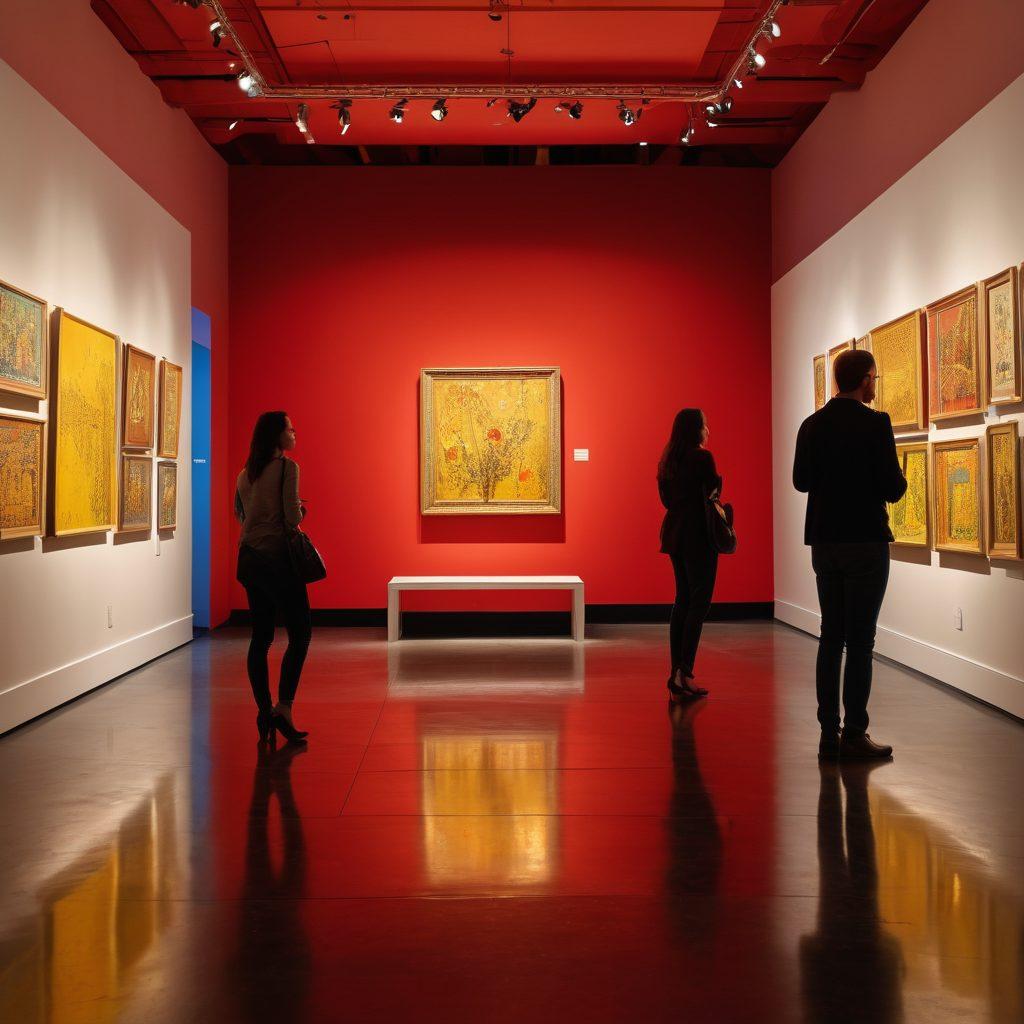
Imagine walking into an art museum, the buzz of anticipation filling the air as you take in the carefully curated exhibits that bring history and culture to life. Each artifact tells a story—whether it's a centuries-old painting, a beautifully sculpted statue, or a rare cultural artifact from a distant land. This is where the magic of curators comes into play. Crafting narratives, curators shape museum experiences through their expertise in curatorial practices. But what truly goes into designing these engaging displays that captivate visitors and educate them about cultural history?
Curators serve as the bridge between the artifacts and the audience. Their role transcends beyond merely selecting pieces for display; they weave together a cohesive narrative that transforms individual museum exhibits into an enriching journey for visitors. Think of it this way: when you step into a museum display, you’re not just observing historical collections—you’re stepping into a carefully crafted story that speaks to your senses and intellect. Can't you just feel the energy of the past vibrating through those interactive displays?
One of the most powerful aspects of museum programming is how curators personalize the visitor experience. Through creative exhibition design, they create a space where art collections resonate on a deeper level. The best exhibits evoke emotions, tell untold stories, and spark questions. Have you ever left a museum pondering the significance of an artifact or how it echoes human experiences over time? That's the magic of effective curation—a hallmark of successful heritage preservation.
Moreover, curatorial practices are essential in collection management and object conservation. Curators not only ensure the physical safety of cultural artifacts but also curate the narratives surrounding them. They engage in meticulous research, studying the origins of every piece, understanding the context of their creation, and how they fit into the broader tapestry of cultural history. Have you ever wondered what happens behind the scenes to ensure that each piece you admire is preserved for future generations? Curatorial work is often unseen but is vital for maintaining the integrity of museum exhibits.
The power of curators doesn’t just end at exhibit development. They also play a crucial role in creating educational programs that help foster a deeper understanding of the collections. From guided tours to hands-on workshops, curators know that engagement is key. Why is it important for curators to think beyond the gallery walls? Because museums are cultural institutions that serve as educational hubs, and their success rests on stimulating visitor engagement. As you explore your local art museum, take a moment to appreciate the thought and effort that curators put into crafting those narratives. It’s an art form in itself that enhances not just the museum experience but also enriches our understanding of the world around us.
Behind the Scenes: Innovative Curatorial Practices that Transform Museum Engagement
When you step into an art museum, it’s often easy to forget the meticulous thought and innovation that goes into curatorial practices behind the scenes. It’s not just about hanging paintings on walls or placing artifacts in glass cases; it’s about creating an experience. What if I told you that museum exhibits have the power to transport us through time, allowing us to connect with cultural history in a way that is both engaging and educational? This kind of transformation is rooted in innovative curatorial practices that are revolutionizing how we engage with cultural artifacts and historical collections.
Curators aren’t just keepers of art collections; they are storytellers, educators, and custodians of our collective memory. From interactive displays that invite hands-on engagement to carefully designed exhibit layouts that lead visitors on a narrative journey, each choice made in the exhibition design process plays an essential role in how artifacts curation impacts visitor engagement. Have you ever left a museum wondering about the stories behind the objects displayed? This is where the art of curatorial practices comes into play! It’s about sparking curiosity and igniting a passion for discovery, and that begins with a thoughtful approach to collection management and exhibit development.
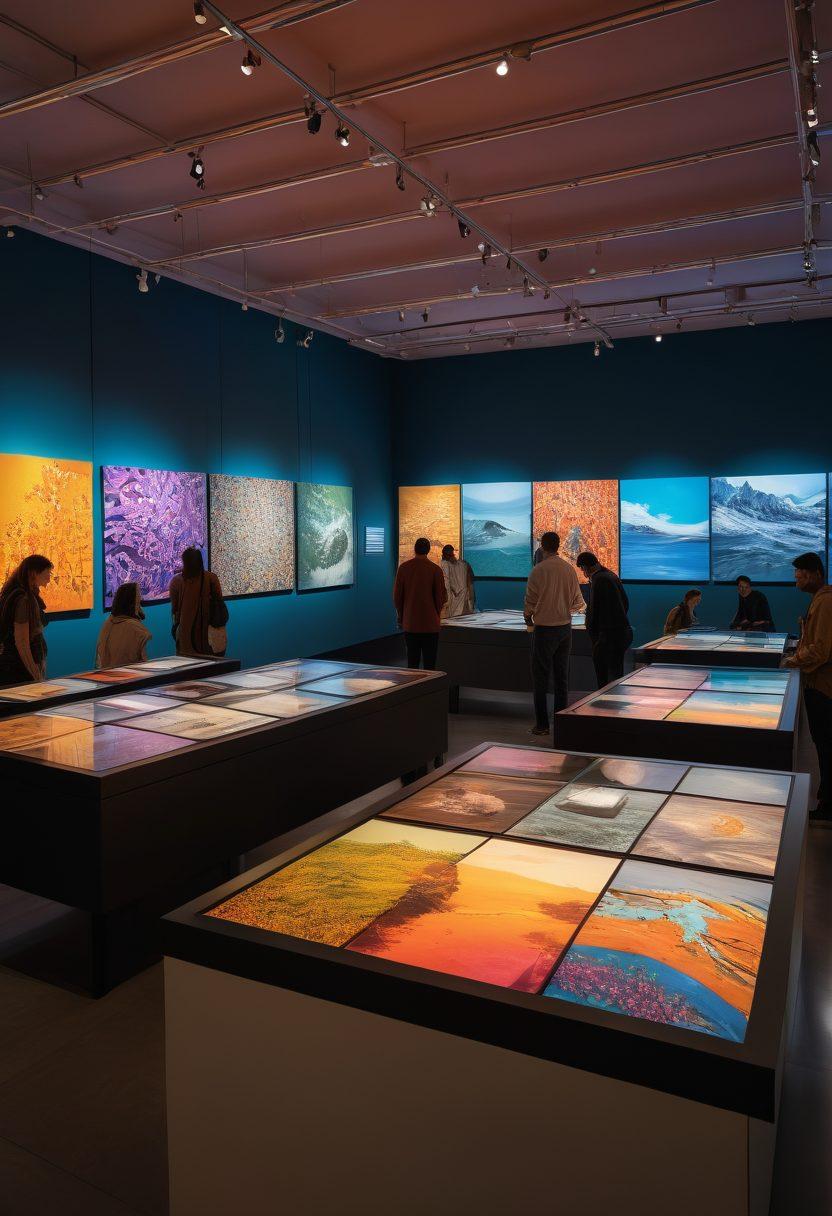
Imagine walking into a museum where the exhibits are not just static displays but dynamic environments that invite interaction. Innovative museums are embracing the potential of technology to create immersive experiences that engage multiple senses. Maybe you can touch a replica of an artifact, hear its story narrated through audio guides, or even take part in educational programs that delve deeper into the themes of the exhibition. This engaging approach fosters a connection between the visitor and the cultural history being presented, making each trip to the museum an unforgettable adventure.
In today’s world, cultural institutions face the significant challenge of captivating diverse audiences. How can an art museum remain relevant and appealing to various demographics? By embracing innovative curatorial practices and prioritizing heritage preservation, curators can breathe life into their collections while also encouraging new perspectives. Imagine an exhibition focused on a lesser-known historical collection that celebrates the contributions of underrepresented cultures. Such a program not only educates visitors but empowers them to appreciate the depth and richness of cultural history around them.
Ultimately, the goal of museum programming is to inspire and inform. With the implementation of creative curatorial practices, museums can nurture a love for art and history that resonates with visitors long after they leave. Each experience crafted can spark reflections and discussions about our past, present, and future. So, the next time you visit a museum, take a moment to appreciate the transformative power of innovative curatorial practices. Ask yourself: How does this exhibit make me feel? What stories might I uncover as I delve deeper into the artifacts curation and exhibit development?
Museums are more than just buildings housing art collections; they are living, breathing spaces for exploration and learning. Behind every successful exhibition is a dedicated team of curators committed to making cultural artifacts accessible, engaging, and memorable for all. Let’s celebrate these quiet heroes of musology who are committed to creating experiences that not only preserve our heritage but also enrich our understanding of the world's diverse narratives.
From Artifacts to Audience: Designing Exhibitions that Capture Cultural Heritage
In the heart of every vibrant community lies a treasure chest known as the museum, a space steeped in history and culture. Museums cast a spell that captivates the curious mind, offering a glimpse into the past through the lens of stunning art collections and cultural artifacts. But how do curatorial practices transform these silent witnesses of history into engaging museum experiences? It’s a fascinating journey connecting artifacts to audience, a dance between the tangible and the intangible, inviting visitors to explore not just what’s on display, but the stories they tell.
Imagine stepping into a grand hall filled with historical collections, where every object has a narrative waiting to unfold. This world of museum exhibits is akin to walking through a storybook filled with tales of human endeavor, creativity, and cultural history. Curators, the masterminds behind exhibition design, wield their expertise in museology to create spaces that are not just visually appealing but resonate deeply with the visitors’ hearts and minds. They ask thought-provoking questions like, "What does this artifact signify? How does it connect with our today's society?"
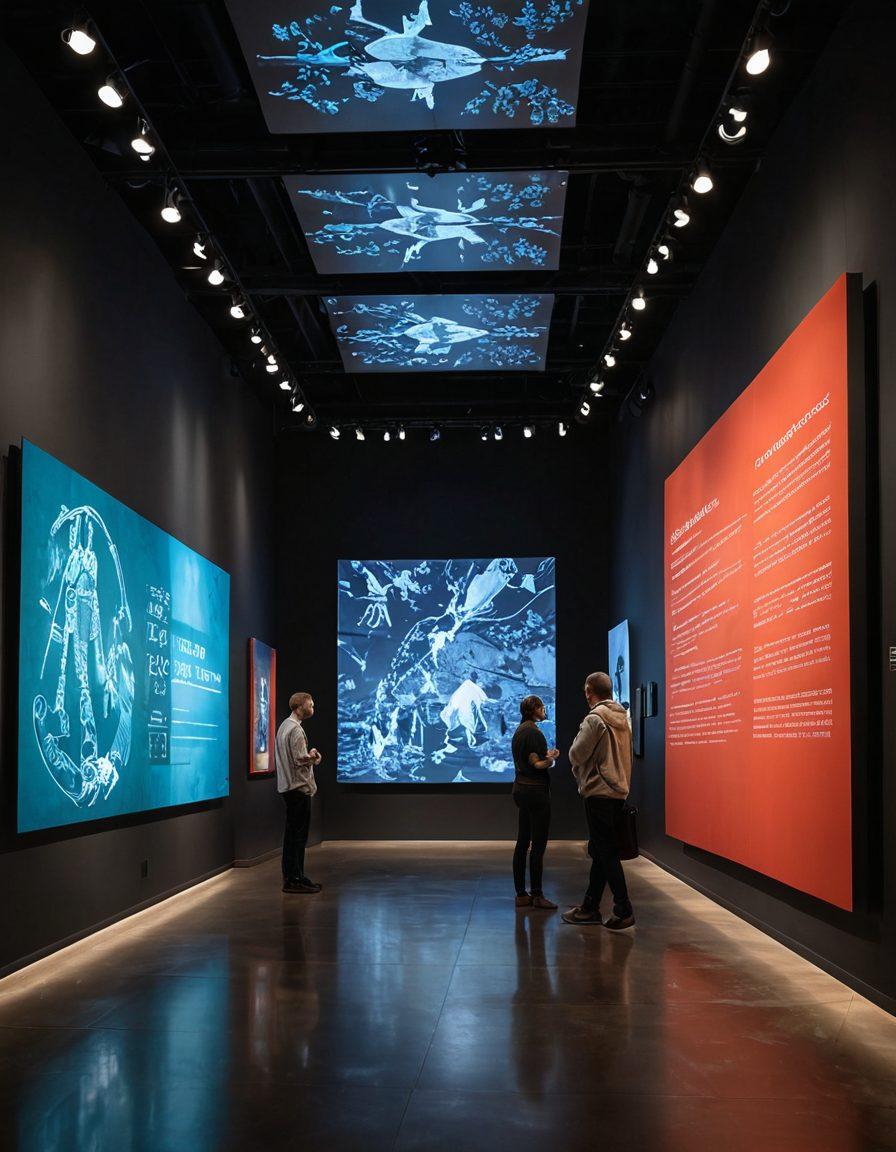
'Every artifact has a voice, and it longs to be heard,' a notion inherent in the art of artifacts curation. Visitor engagement is at the forefront of contemporary curatorial practices, where cultural institutions now prioritize interactive displays that invite participation rather than passive observation. Today’s exhibits not only showcase art collections but also emerge as lively dialogue spaces. Imagine pressing a button that activates an immersive video, or engaging in a digital activity that challenges your understanding of a particular cultural heritage. What if each visit left you with more questions and a thirst for knowledge than when you arrived?
Moreover, museums are evolving beyond just display venues; they are becoming dynamic educational programs where learning transcends traditional classroom frameworks. With thoughtful museum programming, curators craft narratives that celebrate heritage preservation while facilitating a deeper understanding of cultural dynamics. The stories encapsulated within every display serve as bridges connecting the past with the present. What can we learn from these objects? And how might this knowledge impact our journey into the future?
Finally, the meticulous art of collection management and object conservation ensures that cultural artifacts are preserved for future generations. It’s a commitment not just to history but also to the stories yet to be told. Each exhibition is a collaborative effort that reflects the curator's vision, drawing upon a multitude of perspectives to tell a more inclusive story. As we explore the art of curatorial practices, let us remember that the museum is not just a place for artifacts; it is a sanctuary of exploration—a place where the threads of cultural history are woven together for inspiration and understanding. How will your next museum visit inspire you?